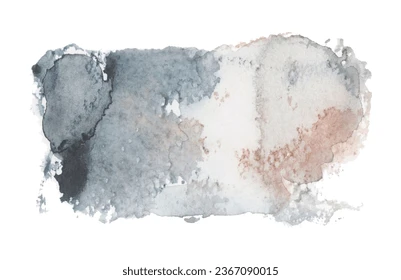
Watercolor painting is a delicate and luminous medium cherished for its transparency and fluidity. Unlike opaque paints like acrylic or oil, watercolors rely on the white of the paper to create light, allowing for ethereal, glowing effects. Mastering watercolor requires an understanding of its unique properties—particularly its transparency and flow. This article explores essential techniques, key characteristics, and notable artists who have elevated watercolor to a fine art.
The Essence of Watercolor: Transparency and Flow
1. Transparency
Watercolor’s beauty lies in its translucency. Unlike opaque mediums, watercolor allows light to pass through the pigment and reflect off the paper, creating a luminous effect.
- Layering (Glazing): Applying thin, transparent washes over dried layers deepens colors without losing brightness.
- Staining vs. Non-Staining Pigments: Some pigments (like phthalo blue) sink into the paper, while others (like cadmium red) sit on the surface, affecting transparency.
2. Flow and Fluidity
Watercolor’s unpredictability is both a challenge and a charm. Controlling water-to-pigment ratios is crucial for different effects:
- Wet-on-Wet: Painting on a damp surface creates soft, diffused blends—ideal for skies and backgrounds.
- Wet-on-Dry: Applying wet paint onto dry paper yields sharper edges and detailed work.
- Bloom (Backruns): When a wet brush touches a damp area, pigments spread organically, creating natural textures like foliage or clouds.
Essential Watercolor Techniques
1. Flat Wash
A smooth, even layer of color applied with a fully loaded brush. Used for skies and large backgrounds.
2. Graded Wash
A transition from dark to light, achieved by diluting pigment as you move down the paper.
3. Dry Brush
Using a brush with minimal water to create rough, textured strokes—great for tree bark or weathered surfaces.
4. Lifting
Removing wet or dry paint with a clean, damp brush or paper towel to correct mistakes or create highlights.
5. Salt & Alcohol Effects
Sprinkling salt or dropping alcohol into wet paint creates unique crystalline or bubbled textures.
Masters of Watercolor
1. J.M.W. Turner (1775–1851)
A pioneer of atmospheric landscapes, Turner exploited watercolor’s transparency to depict light, mist, and storms with breathtaking fluidity.
2. John Singer Sargent (1856–1925)
Though famous for oils, Sargent’s watercolors combined loose, expressive brushwork with precise details (Gondoliers of Venice).
3. Winslow Homer (1836–1910)
Homer captured the raw power of nature—ocean waves, fishermen, and coastal scenes—using bold washes and dynamic contrasts.
4. Albrecht Dürer (1471–1528)
One of the earliest watercolor masters, Dürer’s detailed botanical and wildlife studies showcased the medium’s precision.
5. Contemporary Watercolorists
- Joseph Zbukvic – Master of mood and light in urban scenes.
- Charles Reid – Known for loose, expressive figure painting.
- Beatrix Potter – Famous for her delicate, storybook illustrations.
Tips for Mastering Watercolor
✔ Use Quality Paper – 100% cotton paper (like Arches) prevents buckling and allows better flow.
✔ Control Water – Too much water leads to spills; too little makes paint chalky.
✔ Work Light to Dark – Preserve whites by leaving paper bare for highlights.
✔ Embrace Mistakes – Watercolor’s unpredictability can lead to happy accidents.
Conclusion
Watercolor’s transparency and flow make it a uniquely expressive medium. Whether through controlled washes or spontaneous blooms, artists can achieve both precision and dreamy abstraction. By studying the techniques of past masters and experimenting with modern approaches, painters can harness the magic of watercolor—one brushstroke at a time.
Would you like recommendations for beginner-friendly watercolor supplies or step-by-step exercises?