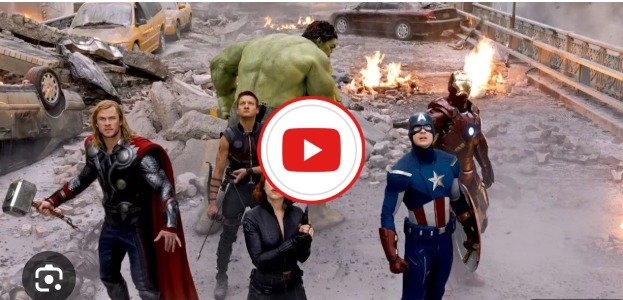
Before 2012, the idea of a shared cinematic universe was a fantastical, nearly impossible dream. Superhero films were isolated entities, with different studios and actors for each character. Marvel Studios, however, embarked on an audacious gamble: to create a series of interconnected films that would culminate in a single, massive team-up movie. The Avengers wasn’t just another sequel; it was the payoff to five years of careful planning across Iron Man, The Incredible Hulk, Iron Man 2, Thor, and Captain America: The First Avenger. The risk was monumental. Would audiences who loved Robert Downey Jr.’s Tony Stark care about Chris Hemsworth’s Thor? Could a film with four A-list heroes balance its screen time and give everyone a moment to shine? The very concept was uncharted territory, and its failure would have meant the collapse of an entire cinematic enterprise.
[Advertising Space]
Ready to Assemble Your Home Theater?
Experience the epic battle for New York like never before! Upgrade your movie nights with the stunning Samsung QLED 4K Smart TV. With crystal-clear picture and immersive sound, you’ll feel like you’re right alongside Earth’s Mightiest Heroes.
Don’t just watch the saga. Live it. Shop the collection now!
Paragraph 2: The Joss Whedon Touch
The key to unlocking this potential chaos was found in writer-director Joss Whedon. Whedon, a master of ensemble storytelling from shows like Buffy the Vampire Slayer and Firefly, was the perfect architect for this project. His signature blend of witty, character-driven dialogue, thrilling action, and deep emotional stakes was exactly what The Avengers needed. He understood that the real conflict wasn’t just Loki and his Chitauri army; it was the clash of these massive egos. The film is filled with iconic character moments, from Tony Stark and Steve Rogers debating morality to Bruce Banner’s haunting confession, “I’m always angry.” Whedon made the team feel less like a corporate product and more like a dysfunctional, but ultimately heroic, family.
Paragraph 3: The Iconic “Circle Shot”
No single scene better encapsulates the film’s success and cultural impact than the now-legendary 360-degree “circle shot.” As the heroes assemble back-to-back in the midst of the Battle of New York, the camera swoops around them, showcasing each Avenger in their element. This was more than just a cool visual; it was a statement. It was the moment the gamble paid off, visually confirming that these separate franchises had successfully merged into one cohesive and powerful unit. For audiences, it was a cathartic payoff, a collective cheer in movie theaters worldwide. This shot became the definitive image of the film, symbolizing the very essence of the team and cementing its place in pop culture history.
Paragraph 4: A New Blueprint for Hollywood
The unprecedented success of The Avengers did not just break box office records; it fundamentally altered the blueprint for Hollywood blockbusters. It proved that a shared universe was not only feasible but incredibly lucrative. Suddenly, every major studio began scrambling to create their own “cinematic universe,” leading to attempts like the DC Extended Universe, the Dark Universe, and others. The film shifted the industry’s focus from standalone hits to long-form, interconnected storytelling. The “post-credits scene,” once a fun Marvel staple, became an essential tool for franchise-building across all genres, training audiences to stay through the credits for a glimpse of the future.
Paragraph 5: Elevating the Supporting Players
While Iron Man, Captain America, and Thor were the established draws, The Avengers had the profound effect of elevating its supporting characters to A-list status. Mark Ruffalo’s portrayal of Bruce Banner and the Hulk was a revelation, bringing a new depth and vulnerability to the character that instantly made him a fan favorite. Similarly, the film solidified Scarlett Johansson’s Black Widow and Jeremy Renner’s Hawkeye as indispensable members of the team, proving that non-superpowered heroes could hold their own among gods and super-soldiers. The film transformed these characters from side-notes into pillars of the franchise, paving the way for their own expanded storylines in the future.
Paragraph 6: The Villain Problem and Its Silver Lining
If there is one common critique of The Avengers, it is that its villain, Loki aside, is somewhat generic. The Chitauri army is a faceless, alien horde with little personality, serving as cannon fodder for the heroes to fight. However, this “villain problem” inadvertently highlights one of the film’s greatest strengths: the real conflict is internal. The movie’s primary tension comes from watching the Avengers learn to trust each other and work as a team. Loki is effective because he is a catalyst, prying at their insecurities and forcing them to confront their differences. The focus remained squarely on the heroes’ journey, a lesson that would shape the MCU’s future, where the best villains often mirror the heroes’ own flaws.
Paragraph 7: The Cultural Phenomenon
Beyond the box office and critical acclaim, The Avengers became a genuine cultural phenomenon. Phrases like “I’m always angry” and “Puny god” entered the public lexicon. The film dominated watercooler conversations and online forums for months. It wasn’t just a movie for comic book fans anymore; it was an event for everyone. It redefined the scale of what a summer blockbuster could be and created a shared experience for a global audience. The success of this film turned the Marvel Cinematic Universe into a household name, ensuring that each subsequent release would be a must-see event for millions.
Paragraph 8: The Lasting Legacy
Over a decade later, the legacy of The Avengers is undeniable. It laid the foundational template for the entire Infinity Saga, proving that long-term, serialized storytelling could work on the big screen. It gave us the MCU as we know it today—a sprawling, interconnected narrative that has dominated pop culture for generations. The film’s success gave Marvel Studios the confidence to take even bigger swings, leading to cosmic adventures like Guardians of the Galaxy and reality-bending stories like Doctor Strange. More than just a movie, The Avengers was a paradigm shift, a proof-of-concept that forever changed how stories are told in cinema and solidifying the superhero genre as the defining genre of a generation.